
Business
Election spending, festive demand raise pressure on naira as FX gap widens
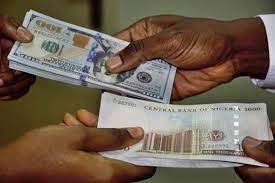
The naira is facing renewed pressure in the foreign exchange market as rising demand for dollars ahead of the festive season combines with early political spending ahead of the 2027 general elections, widening the gap between the official and parallel market rates.
The pressure has become more pronounced in the informal market, where the local currency weakened to N1,445 per dollar on November 12, 2026, from N1,430 recorded a day earlier, while it appreciated to N1,358.50 at the Nigerian Foreign Exchange Market (NFEM), from N1,364 in the previous trading session.
The divergence widened the gap between the two markets to N86.50 per dollar, highlighting persistent challenges in foreign exchange distribution and access despite the Central Bank of Nigeria's (CBN) efforts to improve dollar liquidity.
Market operators attributed the renewed pressure partly to increased demand from individuals and businesses seeking foreign currency for overseas travel, school fees, medical expenses and import-related transactions ahead of the December festivities.
The development is also raising concerns about the potential impact of election-related expenditure as political activities gather momentum ahead of the 2027 general elections.
Economic analysts have warned that campaign activities, political transactions and foreign currency requirements for imported electoral equipment could generate additional demand for dollars, particularly through the parallel market.
An economic analyst affiliated with the Institute of Professional Economists and Policy Management, Yusha'u Aliyu, said electioneering activities traditionally increase foreign exchange demand, particularly where transactions involve payments outside the country.
He also identified Nigeria's dependence on imported goods and services as another source of pressure, noting that demand for foreign currency could intensify as businesses and individuals compete for limited supply.
Similarly, the Chief Executive Officer of the Centre for the Promotion of Private Enterprise, Muda Yusuf, linked potential pressure on the informal market to election-related spending, arguing that some political transactions could increase demand for dollars outside the formal banking system.
Beyond seasonal and political demand, limited access to foreign exchange through commercial banks remains a major challenge for retail users, including importers, small businesses and individuals with legitimate international payment obligations.
Bureau de Change (BDC) operators have also raised concerns about the uneven distribution of available foreign exchange, arguing that the concentration of supply through commercial banks has left some retail customers relying on the parallel market to meet their needs.
The development has renewed discussions about the role of licensed BDC operators in improving foreign exchange distribution and reducing the premium between the official and informal markets.
In February 2026, the CBN authorised licensed BDC operators to purchase up to $150,000 weekly from authorised dealer banks at prevailing market rates as part of efforts to improve retail foreign exchange liquidity.
The operators are required to comply with know-your-customer regulations, return unused foreign exchange within 24 hours and conduct most transactions electronically, with cash transactions restricted to 25 per cent of transaction value.
Meanwhile, CBN Governor, Olayemi Cardoso, had indicated in September that the apex bank was monitoring potential liquidity pressures associated with increased spending ahead of the 2027 elections.
The widening exchange rate differential also presents risks for businesses, particularly import-dependent manufacturers and other operators whose access to foreign currency determines the cost of raw materials, equipment and other production inputs.
A persistent gap between the two markets could encourage speculative activities and arbitrage, while undermining confidence in the stability of the foreign exchange market.
Although the CBN's interventions have been aimed at improving liquidity and stabilising the naira, market participants believe that sustained access to foreign exchange through formal channels will be critical to containing pressure in the parallel market as festive demand and election-related spending increase.
The unfolding situation places renewed attention on the apex bank's ability to maintain adequate dollar supply, strengthen market transparency, and prevent seasonal demand pressures from translating into another prolonged period of exchange rate instability.