







Rising housing costs push firm to plan affordable homes in three states
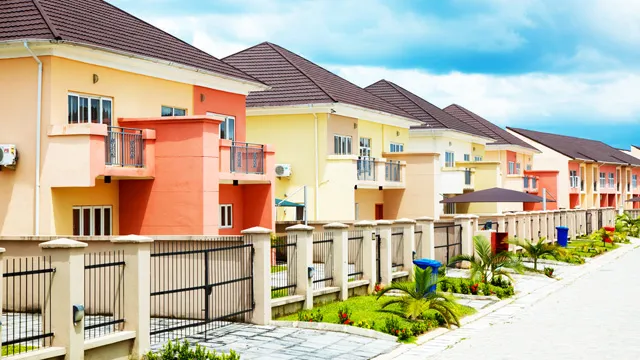
Rising rents, high property prices and increasing construction costs are worsening Nigeria’s housing affordability crisis, putting decent accommodation beyond the reach of many low- and middle-income households, as EmmaPlus Porch Nigeria Limited plans to develop affordable housing projects in Lagos, Akure and Osun State from 2027.
The proposed development is expected to provide prospective homeowners with alternative housing options amid growing pressure on the country’s property market, where the cost of land, building materials and financing continues to affect the delivery of reasonably priced homes.
Speaking on the plan, the Operations Manager of EmmaPlus Porch Nigeria Limited, David Akinmola, said the company was looking towards addressing the growing accommodation challenge by developing housing options that would be accessible to more Nigerians.
He said the proposed projects in Lagos, Akure and Osun would form part of the company's effort to contribute to the housing sector and widen opportunities for people seeking decent and affordable homes.
According to Akinmola, the company recognises that home ownership has become increasingly difficult for many households, making it necessary for private developers to consider the financial realities of prospective buyers when planning residential projects.
The initiative comes against the backdrop of persistent increases in building material prices, land acquisition costs, transportation and other construction expenses, which have raised the cost of delivering residential properties across major Nigerian cities.
For many households, the rising cost of accommodation has translated into higher rents, longer commutes as residents move to less expensive locations and growing difficulty in saving towards home ownership.
The pressure is particularly pronounced in Lagos, where demand for residential accommodation continues to challenge the supply of housing within affordable income brackets. Similar concerns are also confronting urban centres such as Akure and Osogbo, where rising development costs are affecting the availability of reasonably priced homes.
The proposed expansion by EmmaPlus Porch Nigeria Limited therefore comes at a time when the housing sector requires greater private-sector investment, innovative financing arrangements and development models that reflect the purchasing power of ordinary Nigerians.
Beyond increasing the supply of houses, industry stakeholders have identified access to affordable mortgage financing, availability of serviced land, infrastructure provision and lower construction costs as critical factors in addressing Nigeria’s housing deficit.
The challenge is that housing affordability is not determined by the selling price of a property alone. Financing costs, repayment conditions, location, transportation and access to basic infrastructure also determine whether a home is genuinely affordable to prospective buyers.
For developers, this makes the delivery of affordable housing increasingly dependent on partnerships with financial institutions, government agencies, landowners and building material suppliers.
The success of the proposed 2027 projects will therefore depend on the number of housing units delivered, their prices, payment arrangements and the extent to which they meet the needs of low- and middle-income earners.
As Nigeria’s urban population expands and accommodation costs continue to rise, the pressure on developers and policymakers is to move beyond housing announcements towards delivering homes that ordinary working families can afford.