Nigeria’s fiscal outlook has taken a significant hit as oil revenue — a key pillar of the 2025 national budget fell sharply short of expectations in the first seven months of the year, government data shows.
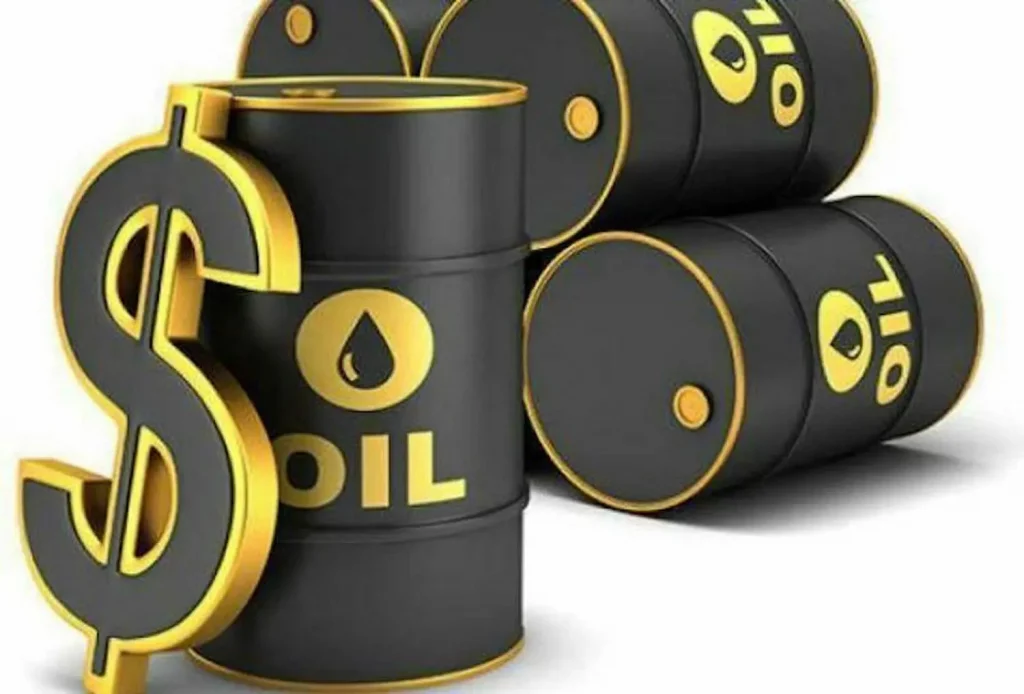
According to Budget Office figures, oil and gas receipts for the period January to July 2025 totaled ₦4.64 trillion, dramatically lower than the pro-rata target of ₦12.25 trillion, representing a 62.2 per cent shortfall.
The steep decline in oil earnings has been identified as the principal driver of an overall revenue gap of ₦10.19 trillion, with total federal revenue of ₦13.67 trillion lagging far behind the expected ₦23.85 trillion for the period.
Oil revenue underperformance is partly attributed to weaker production and pricing dynamics. Nigeria’s crude output has consistently fallen short of the 2.06 million barrels per day (bpd) benchmark underpinning the budget, averaging well below target due to operational constraints, maintenance disruptions, and security challenges in the oilfields.
The shortfall comes as Nigeria continues to depend heavily on crude exports for foreign exchange and government receipts. Despite some improvement in non-oil revenue — including slight overperformance in company income tax and value-added tax — these gains were insufficient to make up for the oil revenue deficit.
As a result, debt servicing and personnel costs have begun to consume a disproportionate share of available funds, exacerbating pressure on capital expenditures and undermining the government’s ability to finance critical development projects. In the reported period, combined debt service and salaries exceeded total revenue, highlighting the strain on public finances.
Economic analysts warn that continued underperformance in the oil sector could deepen fiscal pressures, forcing difficult choices for policymakers and potentially prompting a review of revenue assumptions in future budget frameworks.