By Favour Pius
President Bola Ahmed Tinubu has signed the ₦68.32 trillion 2026 Appropriation Bill into law, setting the tone for an expansionary fiscal stance while extending the implementation of the 2025 capital budget to sustain ongoing projects.
The new budget, one of the largest in Nigeria’s history, underscores the administration’s push to stimulate economic growth, accelerate infrastructure delivery, and stabilise key sectors amid lingering macroeconomic challenges.
Officials said the extension of the 2025 capital expenditure component is aimed at ensuring the completion of critical projects captured in the previous fiscal plan, many of which were delayed by funding constraints and implementation bottlenecks.
The signing ceremony, held in Abuja, followed the passage of the appropriation bill by the National Assembly, after weeks of budget scrutiny and adjustments.
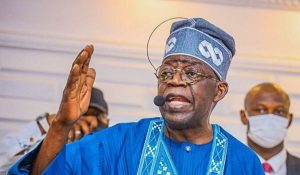
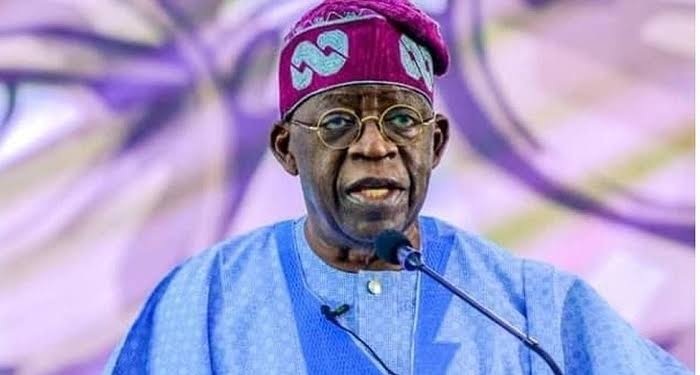
Speaking at the event, Tinubu said the budget reflects the government’s commitment to economic stability, job creation, and inclusive growth.
“This budget is designed to consolidate the gains of our reforms, prioritise infrastructure, and support sectors that will drive productivity and long-term development,” he said.
He noted that extending the 2025 capital budget would help bridge execution gaps and ensure that strategic projects are not abandoned, particularly in transportation, power, and housing.
Economic analysts said the size of the 2026 budget signals an aggressive fiscal approach, but raised concerns about funding sources, deficit levels, and debt sustainability.
They noted that while increased spending could stimulate economic activity, it also requires strong revenue mobilisation and prudent debt management to avoid fiscal slippages.
A financial expert, Bismarck Rewane, said the extension of capital spending reflects the government’s effort to improve project completion rates.
“Rolling over capital expenditure is a practical step to ensure continuity, but the key issue remains implementation efficiency and value for money,” he said.
He added that the effectiveness of the budget would depend on timely releases, transparency, and the government’s ability to prioritise high-impact projects.
The development comes at a time when Nigeria is grappling with inflationary pressures, exchange rate volatility, and revenue challenges, all of which could influence budget performance.
Stakeholders also emphasised the need for stronger public financial management, improved monitoring and accountability mechanisms to ensure that allocated funds translate into tangible economic outcomes.
Despite the concerns, the government expressed optimism that the 2026 budget will support economic recovery, boost investor confidence, and lay the foundation for sustainable growth.