By David Akinmola
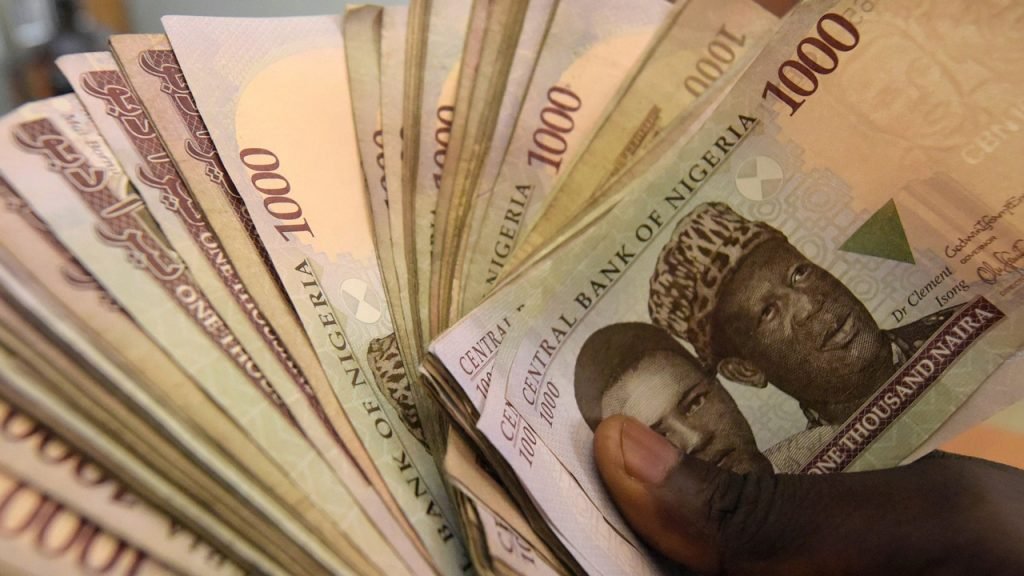
The Nigerian naira has continued to hold steady despite mounting diplomatic tensions between Abuja and Washington, with global research firm Oxford Economics projecting sustained resilience in the currency, driven by strong fundamentals and an undervalued exchange rate.
In its latest report, Oxford Economics said the naira is “well-positioned to withstand global volatility and limited domestic instability,” noting that its current valuation has created a buffer that shields it from short-term geopolitical shocks and fluctuating oil prices.
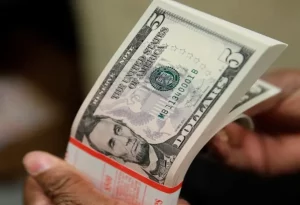
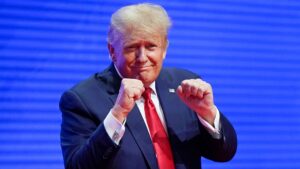
The local currency traded between ₦1,435 and ₦1,446 per dollar in early November, showing minimal movement despite heightened anxiety following former U.S. President Donald Trump’s controversial claim of “Christian genocide” in Nigeria and threats of potential military intervention.
Over the weekend, thousands of protesters in Kano marched against Trump’s comments, condemning what they described as “an assault on Nigeria’s sovereignty.” The demonstrations raised concerns about possible economic repercussions, yet the currency market remained largely calm.
Oxford Economics attributes this steadiness to improved market confidence and ongoing reforms by the Central Bank of Nigeria (CBN), which have enhanced liquidity in the foreign exchange market. The report also highlighted that the naira’s current undervaluation “provides significant room for adjustment without triggering disorderly depreciation.”
The naira has recovered strongly from its April lows when it briefly weakened to ₦1,643/$ following Trump’s “Liberation Day” tariff announcement. Since then, it has gained nearly 10 percent, breaking below the ₦1,500/$ threshold by mid-September and maintaining relative stability through October.
The U.S.-Nigeria diplomatic row escalated after Trump’s November 1 comments, which accused the Nigerian government of human rights abuses and hinted at possible U.S. military actions. In response, the Nigerian government released counterterrorism statistics showing the arrest or neutralisation of more than 124,000 fighters and dependents since 2023, including 13,000 terrorists neutralised in 2025 alone.
Authorities also reported that over 2.1 million internally displaced persons (IDPs) have returned to their communities, indicating progress in restoring security in conflict-affected regions.
Nigeria’s stance has received broad support from key allies. China warned against “foreign interference under religious pretexts,” while the African Union (AU), ECOWAS, and the European Union (EU) reaffirmed Nigeria’s sovereignty and urged diplomatic dialogue with Washington.
Economic analysts believe that the likelihood of a direct U.S. military intervention remains low, predicting that Washington will likely pursue “light engagement” and maintain cooperation with Nigerian security forces. This, they said, has helped calm investor nerves and prevent capital flight.
“The naira’s stability in the face of these tensions underscores investor confidence in Nigeria’s fiscal and monetary reforms,” according to one Lagos-based financial analyst . “The foreign exchange market has matured significantly in the past year, and that’s cushioning the impact of political headlines.”
With ongoing CBN reforms to deepen liquidity, enhance transparency, and attract portfolio inflows, analysts expect the naira to maintain its current range in the near term.
Oxford Economics concluded that, barring a severe escalation of U.S.-Nigeria tensions or a sharp decline in oil revenues, the naira is likely to remain one of the more stable African currencies going into 2026 a reflection of both economic discipline and investor faith in Nigeria’s long-term growth trajectory.