
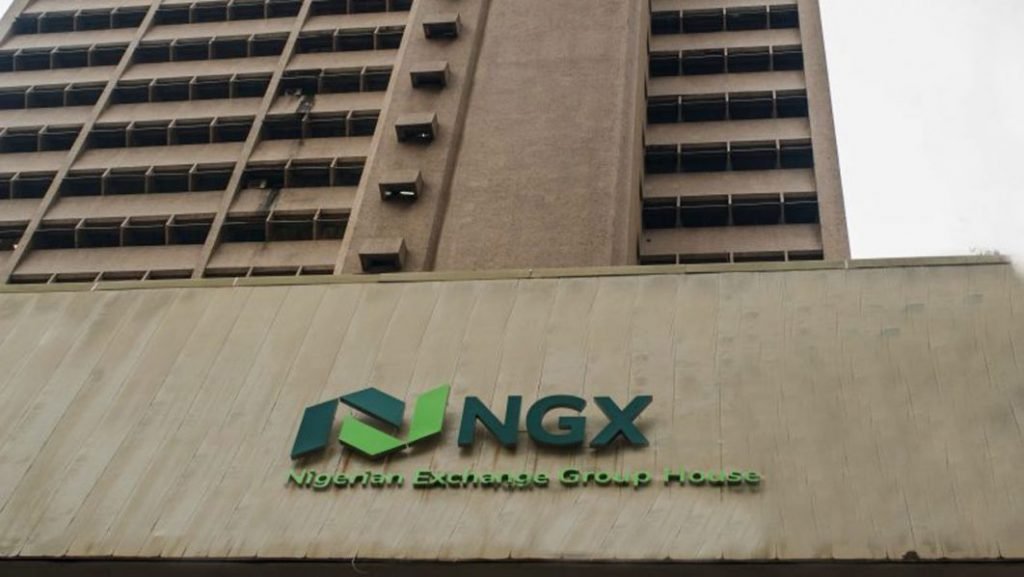
The Nigerian Exchange (NGX) has moved against eight listed companies for breaching minimum free float requirements, underscoring tighter oversight of liquidity standards across the equities market.
Free float represents the portion of a company’s issued shares available for public trading, and it supports efficient price discovery.
This was disclosed in a regulatory notice published in the Exchange’s latest X-Compliance Report by NGX Regulation Limited (NGX RegCo).
The action comes amid heightened scrutiny of market practices following recent enforcement measures, as the Exchange seeks to deepen transparency, improve tradability, and strengthen investor confidence.
The development follows the recent suspension of Zichis Agro-Allied Industry Plc over suspected price manipulation after the stock recorded about an 800% price increase within one month of listing on January 20, reinforcing the NGX’s resolve to enforce listing rules.
The Exchange’s compliance monitoring revealed that the eight firms fell short of the required minimum free float thresholds under their respective listing segments.
The deficiencies may stem from deliberate withholding of shares, changes in shareholding structures, or strategic accumulation by dominant investors.
The shortfall can constrain liquidity in the affected stocks and create room for sharp price increases due to scarcity of tradable shares.
It may also limit broader investor participation, particularly from institutional investors that require deeper liquidity.
The NGX issued deficiency notices and requested remedial action plans from the affected issuers to address the gaps.
By flagging the companies, the Exchange is effectively pushing them to increase public shareholding and deepen market activity in their stocks to protect investor confidence.
Against this backdrop, the companies applied for waivers from the managements of NGX RegCo and NGX, submitting compliance plans with tentative timelines. The Managements considered and approved extended timeframes for the companies to restore compliance, subject to quarterly compliance reports detailing implementation progress.
Further details show varying degrees of deficiencies among the affected firms, all of which are listed on the Main Board of the NGX. Some companies recorded particularly wide shortfalls relative to the required threshold.
Champion Breweries Plc has a 16.98% free float valued at N24,607,977,762.60 and has until October 16, 2026 to restore compliance.
UPDC Plc has a 4.89% free float deficiency valued at N4,806,002,645.60 and has updated its compliance timeline after its initial February 6, 2026 deadline elapsed.
Prestige Assurance Plc has a 15.49% free float valued at N3,427,238,203.15 and has until August 20, 2027 to comply.
SUNU Assurances Plc has a 13.22% free float valued at N3,380,367,064.80 and has until November 4, 2026 to remedy its position.
Aluminum Extrusion Industries Plc has a 16.61% free float valued at N628,396,695.52 and has until August 11, 2027 to return to compliance. Other affected firms include Golden Guinea Breweries Plc, Infinity Trust Mortgage Bank Plc, and Multi-Trex Integrated Foods Plc.
Companies listed on the NGX are required to maintain minimum free float thresholds to ensure an orderly and liquid market for their securities.
Where a company falls below the prescribed threshold, the NGX may issue a deficiency notice and grant a compliance window. Persistent non-compliance can attract sanctions, including trading restrictions or suspension.
For the Growth Board (Standard Segment), the requirement is 15% of issued shares or a free float value of at least N50 million.
For the Main Board, companies must maintain a minimum of 20% of issued shares or shares valued at not less than N20 billion, whichever is lower.
For the Premium Board, the threshold is 20% of issued shares or a market value of at least N40 billion.
Rather than impose immediate penalties in this case, the Exchange granted extended compliance windows, requiring periodic progress updates, with the warning that failure to meet revised deadlines could trigger further regulatory action.