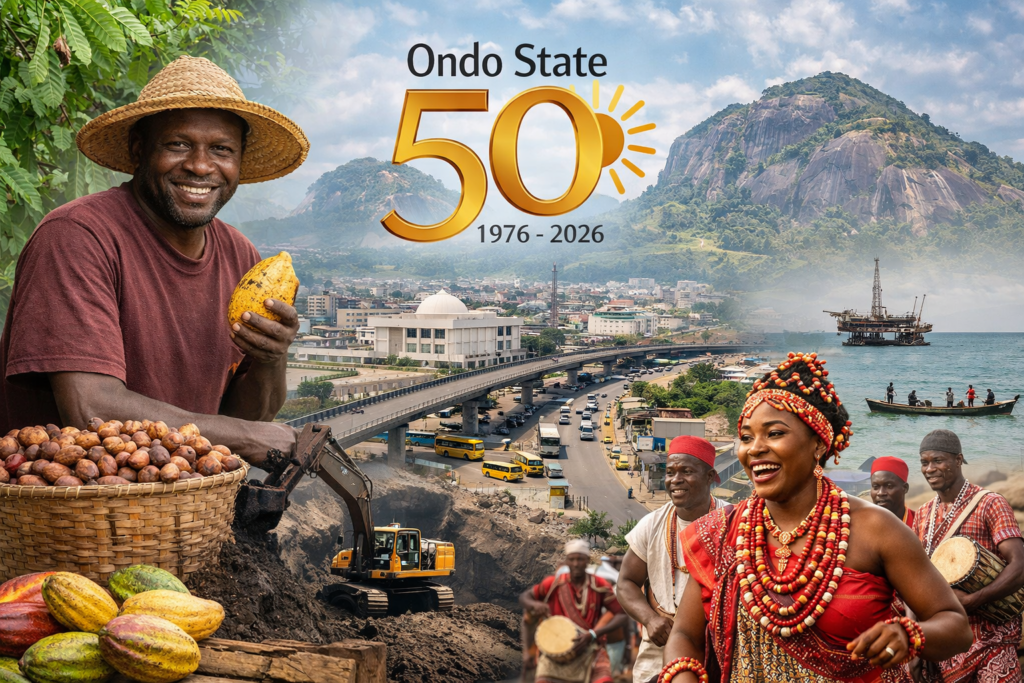
When Ondo State was carved out of the old Western Region on February 3, 1976, expectations were high that the new state would harness its fertile land, rich culture, and human capital to become a model of inclusive development.
Fifty years later, the Sunshine State stands at a historic crossroads, celebrating resilience and achievement, yet confronting persistent gaps that continue to shape everyday life for its people.
From cocoa farms in Idanre and Owo to the oil-rich riverine communities of Ilaje, Ondo’s journey has been defined by an abundance of resources, ideas, and talent.
Agriculture has remained the backbone of the economy, with the state consistently ranking among Nigeria’s leading producers of cocoa, palm produce, and food crops. For decades, farming sustained rural livelihoods and anchored Ondo’s relevance in national commodity supply chains.
Yet, many farmers say the promise of agricultural prosperity has not always translated into improved welfare. “Our fathers grew cocoa, we are still growing cocoa, but the lives of farmers have not changed much,” said a middle-aged farmer in Idanre. “Roads are bad, access to credit is limited, and young people are leaving the villages.”
Ondo’s human capital has been one of its strongest exports. Across medicine, academia, the judiciary, arts, and public service, indigenes of the state have earned national and international recognition.
This has reinforced a deep sense of pride and identity, rooted in strong Yoruba cultural traditions, festivals, and communal values that continue to bind towns and villages together.
Governance over the decades has produced mixed outcomes. While some administrations invested in education, healthcare, and road infrastructure, others were criticised for missed opportunities and weak project continuity.
The long-awaited exploitation of the state’s vast bitumen deposits, one of the largest in Africa, remains largely unrealised, often cited as a symbol of unrealised potential.
In urban centres like Akure, population growth has driven commercial activity, but also exposed infrastructure strain.
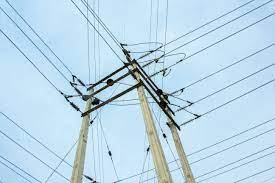
Residents complain of traffic congestion, housing shortages, and inconsistent power supply. “Akure has grown, but planning has not kept pace,” said a civil servant. “We see development, but it is not evenly spread.”
Healthcare and education reforms have featured prominently in recent years, with efforts to strengthen primary healthcare and tertiary institutions.
However, access and quality remain uneven, particularly in rural communities where facilities are under-equipped and understaffed.
Politically, Ondo has enjoyed relative stability compared to some states, yet debates around resource management, transparency, and service delivery persist.
Analysts argue that the state’s challenge has not been a lack of potential, but inconsistent execution. “Ondo has everything needed to succeed: land, minerals, people,” said a development expert based in Akure. “What has been missing is sustained policy discipline across administrations.”
As the state marks its golden jubilee, government officials say the anniversary is not just for celebration, but reflection. Plans for lectures, cultural showcases, and stakeholder engagements signal an attempt to re-examine Ondo’s development path and define a clearer future direction.
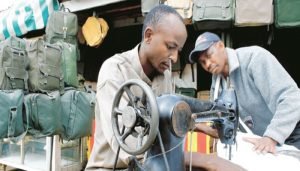
For many citizens, however, the measure of success lies in tangible improvements. Young graduates seek jobs beyond the public sector, traders want better roads and power, while farmers demand value addition and access to markets.
In riverine communities, residents still call for basic infrastructure and environmental protection.
Ondo at 50 is therefore a story of enduring promise and unfinished business. The foundation’s natural resources, cultural cohesion, and human talent remain solid. What the next chapter demands is a sharper focus on accountability, private-sector-led growth, and people-centred development that bridges the gap between potential and lived reality.
As one elder in Owo put it, “Ondo has survived 50 years. The next 50 should be about making life better for the ordinary person.”
Written by Bankole Orimisan, a journalist from Ode Aye, in Ondo State