
By David Akinmola
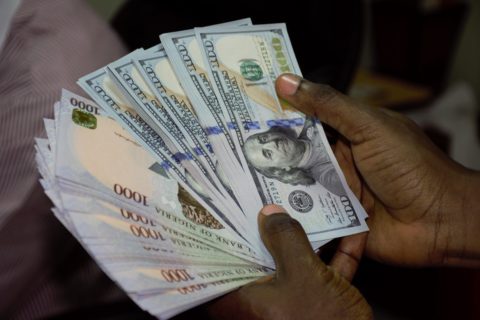
The naira continued its downward drift in November, closing the month at N1,446 to the U.S. dollar at the official foreign-exchange market, despite the Central Bank of Nigeria’s (CBN) sustained tightening measures aimed at curbing inflation and stabilising the currency.
The depreciation marks one of the currency’s steepest monthly declines since mid-year, underscoring persistent pressure from thin FX liquidity, elevated import demand, and weak foreign-portfolio inflows.
Traders said the CBN’s decision to hold the Monetary Policy Rate (MPR) at 27 per cent and maintain aggressive liquidity mopping did little to stem the slide, as structural supply constraints in the FX market remained unresolved.
Market operators attributed the pressure largely to unmet dollar obligations, slower inflows from oil production, and heightened demand from manufacturers and energy marketers preparing for year-end imports.
At the Investors’ & Exporters’ (I&E) window, turnover remained volatile throughout November, with several sessions recording demand far above supply. Parallel-market rates also mirrored the strain, widening the premium and fuelling further speculation.
Analysts noted that while tightening measures help curb naira liquidity, they are insufficient to stabilise the currency without stronger FX supply, improved investor confidence and clearer fiscal signals.
They warned that without a decisive boost in dollar inflows either through higher oil receipts, improved remittances or renewed capital-market interest—the naira could face continued volatility into the first quarter of 2026.
The CBN has reiterated its commitment to a market-driven exchange-rate framework but maintained that reforms will take time to reflect fully in the currency’s performance.