By Tobi Akinyele
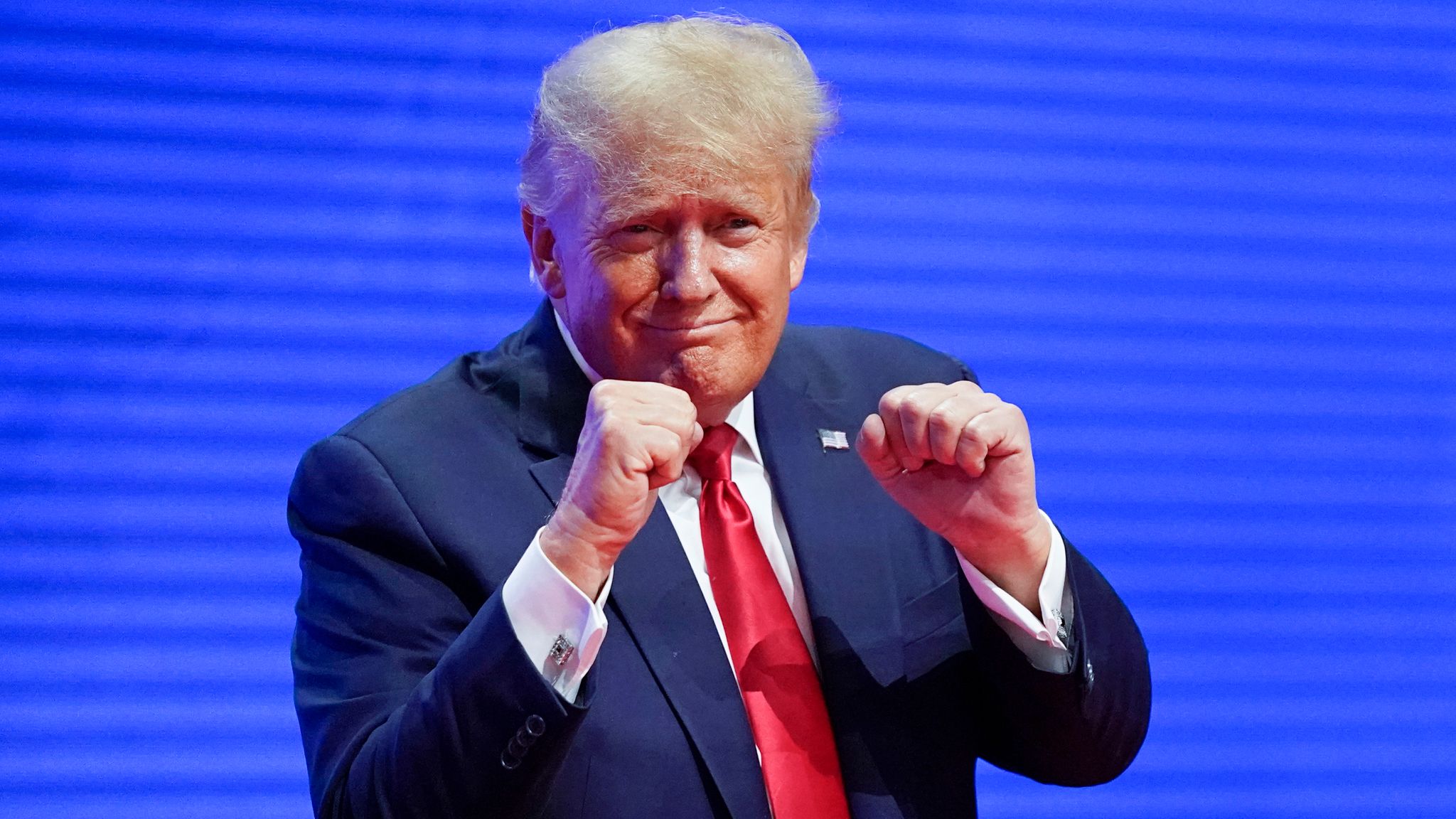
United States President Donald Trump has announced a sweeping 50 per cent tariff on imports from any country found to be supplying military weapons to Iran, in a move that escalates economic pressure amid ongoing geopolitical tensions.
The directive, which takes immediate effect, applies to “any and all goods” exported to the United States from affected countries, with no exemptions, according to statements released by Trump following a recent ceasefire agreement with Tehran.
The policy is widely seen as targeting major global players such as China and Russia, both of which have been linked to varying degrees of military cooperation with Iran.
Analysts say the tariff threat represents a dual strategy—combining economic sanctions with diplomatic engagement—as Washington seeks to limit Iran’s military capabilities while sustaining fragile ceasefire negotiations.
The announcement comes shortly after a two-week truce between the U.S. and Iran aimed at de-escalating weeks of conflict and stabilising key global energy routes, including the Strait of Hormuz.
From a global trade perspective, experts warn that the move could heighten tensions between the U.S. and its major trading partners, particularly China, which remains a key exporter of goods to the American market.
“Imposing broad tariffs tied to geopolitical conditions introduces uncertainty into global supply chains and could trigger retaliatory measures,” a trade policy analyst said.
There are also questions around the legal and practical implementation of the tariffs, especially following recent judicial constraints on the administration’s authority to impose sweeping trade measures.
Despite these concerns, the policy underscores Washington’s intent to tighten economic pressure on Iran and its allies, while leveraging trade as a tool of foreign policy.
Market watchers note that the long-term impact will depend on enforcement mechanisms and the response of affected countries, with potential implications for global trade flows, energy markets and diplomatic relations.
As tensions persist, the latest move signals a hardening stance by the U.S., even as negotiations with Iran continue in parallel.