By Emmanuel Enitan,Lagos
Nigeria accounted for an estimated 140 million people in the global mobile internet usage gap in 2025, highlighting a widening disconnect between mobile broadband availability and actual internet adoption in the country, the GSM Association (GSMA) has disclosed.
The figure, contained in the GSMA’s State of Mobile Internet Connectivity 2026 report, represents Nigerians living within the coverage footprint of mobile broadband networks but who do not use mobile internet services.
The development comes despite significant expansion of telecommunications infrastructure in Nigeria, raising concerns over affordability of internet-enabled devices, digital skills and the ability of households and businesses to fully participate in the digital economy.
Globally, the GSMA said 3.1 billion people lived within areas covered by mobile broadband but were not using mobile internet in 2025, describing this as the “usage gap.” The association noted that the majority of those in the gap still did not own an internet-enabled device.
Nigeria’s estimated 140 million usage-gap population was comparable to Pakistan’s, while India and China recorded larger gaps of about 710 million and 200 million respectively, according to the report.
The GSMA’s findings point to a major challenge for Nigeria’s digital economy, where access to affordable and reliable connectivity increasingly affects participation in financial services, e-commerce, education, remote work and other technology-enabled activities.
The association’s earlier assessment of Nigeria’s connectivity landscape found that mobile network coverage had expanded to nearly 90 per cent of the population, but more than two-thirds of the population remained offline. It also identified the usage gap, rather than network coverage alone, as a more significant obstacle to digital inclusion.
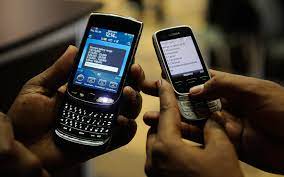
The latest report identified handset affordability as the biggest barrier to mobile internet adoption across surveyed low- and middle-income countries, followed by lack of digital skills. Globally, the GSMA said the number of people using mobile internet rose to 4.8 billion by the end of 2025, but 3.4 billion people still did not use mobile internet.
For Nigeria, the affordability challenge is compounded by disparities between urban and rural communities. Data from the GSMA’s 2025 Consumer Survey showed that 66 per cent of urban adults surveyed used mobile internet, compared with 33 per cent of rural respondents, while internet-enabled handset ownership stood at 79 per cent in urban areas against 51 per cent in rural locations.
The GSMA also warned that the digital divide could become an emerging artificial intelligence divide as AI increasingly becomes embedded in economic and social activities.
Launching the 2026 report, the association said the benefits of AI could remain out of reach for billions of people unless governments and industry addressed affordability and other barriers preventing meaningful connectivity.
For Nigeria, closing the usage gap therefore extends beyond expanding telecoms infrastructure to ensuring that citizens can afford suitable devices, access data and acquire the digital skills required to make productive use of connectivity.
The GSMA noted that addressing the usage gap would be critical to narrowing the wider digital divide, warning that current trends could leave billions of people without meaningful access to the opportunities created by digitalisation and emerging technologies.