
By David Akinmola
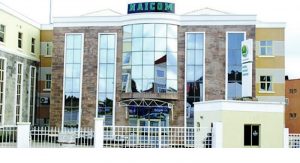
The Asset Management Corporation of Nigeria (AMCON) says it has repaid about N3.6 trillion to the Central Bank of Nigeria (CBN) since it began operations in 2010, representing a significant step in winding down the debts accumulated during the financial system bailout of 2008/2009.
Managing Director/Chief Executive Officer of AMCON, Gbenga Alade, disclosed the figure at a media parley in Lagos yesterday, noting that the repayment comprises both principal and interest and exceeds the N1.7 trillion initially borrowed by the CBN to fund the corporation’s establishment.
Alade put AMCON’s outstanding obligation to the CBN at about N3 trillion. Based on current projections, he said the corporation would have repaid a total of N6.6 trillion by the time the entire obligation is liquidated, including accrued interest over the years. The sinking fund financed by 0.5 per cent of banks’ total assets and recoveries from obligors remains the primary channel through which AMCON hopes to fully extinguish the debt.
Reflecting on AMCON’s intervention during the banking crisis, he said the corporation stabilised the financial system by acquiring toxic assets from distressed institutions and injecting fresh capital in line with global insolvency restructuring practices. The move, he noted, restored depositor confidence and enabled banks to meet their obligations.
Alade said AMCON continues to manage the Eligible Bank Assets (EBAs) it acquired, with disposal efforts supported by an expanded recovery strategy.
This includes the engagement of foreign asset tracers to locate assets hidden by recalcitrant obligors across jurisdictions.
According to him, the corporation posted total revenue of N156.25 billion in 2024, against operating expenses of N29.04 billion, leaving a cost-to-revenue ratio of 19 per cent.
For 2025, revenues are projected to rise to N215.15 billion while operating expenses would hold around N29.06 billion, reducing the cost-to-revenue ratio to 13.5 per cent.
He insisted that AMCON’s recovery performance compares favourably with its global peers. Based on the balance at purchase, the corporation achieved over 87 per cent recovery far above Malaysia’s Danaharta at 58 per cent and China’s Asset Management Corporation at 33 per cent.
Only South Korea’s KAMCO posted higher recovery rates, at about 100 per cent, a feat Alade attributed to the aggressive enforcement tools available in that jurisdiction.
Despite KAMCO’s success, Alade said, the institution still operates today with an expanded mandate—similar to other national asset management companies, including China’s AMC, the U.S. Federal Deposit Insurance Corporation (FDIC) and Germany’s KfW, which have evolved into permanent government institutions.
“Without sounding immodest, AMCON has done well, and we will not relent until all outstanding debts are fully realised,” he affirmed.
Alade added that the corporation has engaged specialised consultants to conduct a comprehensive review of all AMCON-related cases in the courts.
He noted that the judiciary at all three tiers has demonstrated understanding of the corporation’s challenges and the resistance posed by some obligors.