Nigeria requires $14bn yearly investment to close infrastructure gap, says Edun
By Favour Pius
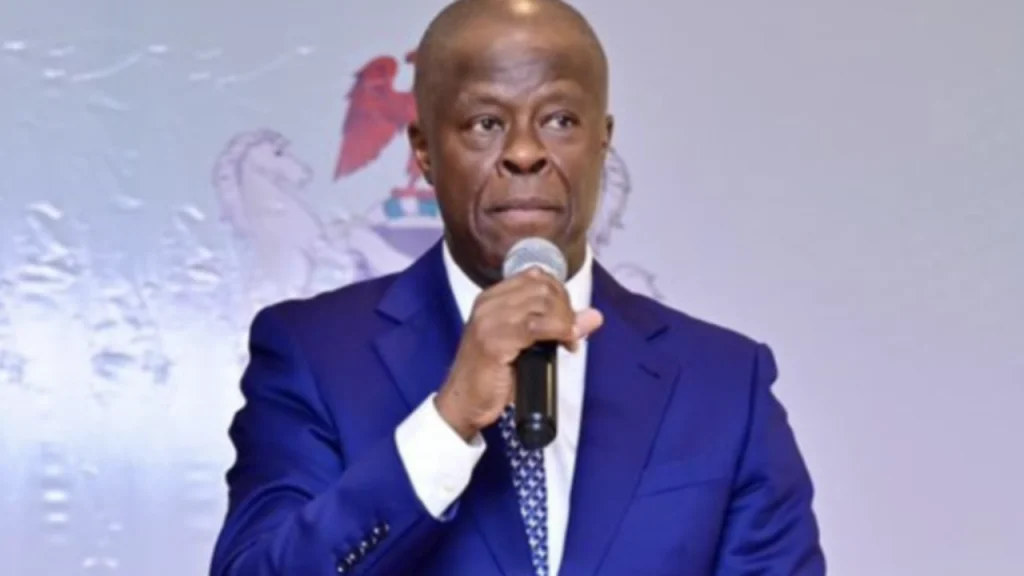
Nigeria needs an estimated $14 billion in annual investment to bridge its widening infrastructure deficit, Minister of Finance and Coordinating Minister of the Economy, Wale Edun, has said, underscoring the urgency of scaling up funding to support economic growth and competitiveness.
Edun noted that decades of underinvestment in critical sectors such as power, roads, rail, and housing have created a significant gap that continues to constrain productivity, increase the cost of doing business, and limit the country’s growth potential.
According to him, addressing the deficit will require a mix of public and private sector financing, with greater emphasis on attracting long-term capital through innovative funding models and policy reforms.
“Nigeria’s infrastructure needs are substantial, and bridging the gap requires sustained investment of about $14 billion annually. Government alone cannot meet this demand, which is why we are focusing on creating an enabling environment for private sector participation,” he said.
The minister highlighted ongoing efforts by the Federal Government to improve the investment climate, including reforms aimed at enhancing transparency, strengthening institutions, and ensuring policy consistency.
He added that public-private partnerships (PPPs) remain central to the government’s strategy, particularly in large-scale infrastructure projects where private capital and expertise can complement public resources.
Analysts said the infrastructure deficit remains one of the biggest obstacles to Nigeria’s economic transformation, affecting key sectors such as manufacturing, agriculture, and trade.
They noted that inadequate power supply, poor road networks, and limited transport infrastructure continue to drive up production costs and reduce the competitiveness of local industries.
An economist, Ayo Teriba, said sustained investment in infrastructure is critical to unlocking economic growth.
“Infrastructure is the backbone of any economy. Without adequate investment, it becomes difficult to achieve productivity gains, attract investment, or create jobs at scale,” he said.
Stakeholders also pointed to the need for efficient project execution and improved governance to ensure that investments deliver tangible outcomes.
They stressed that beyond funding, addressing issues such as project delays, cost overruns, and regulatory bottlenecks will be essential to maximising impact.
The call for increased infrastructure investment comes at a time when Nigeria is seeking to accelerate economic recovery and diversify its revenue base amid global uncertainties.
Experts argue that closing the infrastructure gap could unlock significant opportunities across sectors, stimulate industrialisation, and improve living standards.
Edun further emphasised that strengthening revenue mobilisation and improving fiscal discipline will be key to sustaining infrastructure financing over the long term.
He reiterated the government’s commitment to implementing reforms that will attract both domestic and foreign investors, noting that infrastructure development remains a top priority in Nigeria’s economic agenda.
As the country looks to bridge its infrastructure gap, stakeholders say the challenge will be to translate policy intentions into sustained investment flows that can deliver measurable improvements in productivity, connectivity, and overall economic performance.