By Favour Pius,Lagos
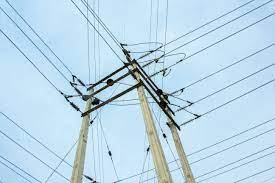
Residents and businesses across parts of Lagos are facing persistent power outages following a nationwide decline in electricity generation, with Ikeja Electric attributing the situation to worsening gas supply constraints affecting thermal power plants.
The distribution company disclosed this through its Head of Corporate Communications, Kingsley Okotie, in an interview with this medium, noting that the drop in generation has significantly reduced electricity allocation to distribution companies nationwide.
According to Okotie, the decline in supply is directly linked to reduced gas availability, which has constrained the output of power generation companies and weakened the capacity of the national grid.
“The ongoing reduction in electricity supply is largely due to a nationwide drop in power generation caused by limited gas supply to thermal power plants.
This has significantly reduced the energy available on the grid and, consequently, the allocation to Ikeja Electric and other distribution companies,” he said.
He added that the company is implementing load management measures to distribute the limited supply as fairly as possible across its network, while appealing to customers for patience amid the disruptions.
“The management regrets the inconvenience caused and appreciates the patience and understanding of our customers during this period,” he said.
Findings show that the outages are already taking a toll on economic activities, with households and businesses grappling with rising energy costs as reliance on alternative power sources such as diesel and petrol generators increases.
Several residents and small business owners who spoke to this medium described the situation as unsustainable, citing reduced operating hours, increased production costs, and declining profit margins.
Industry stakeholders say the immediate supply challenges are compounded by deeper structural issues within Nigeria’s electricity value chain, particularly liquidity constraints affecting generation companies (GenCos).
Data indicate that GenCos are currently burdened by an estimated N6.8 trillion debt, accumulated since 2015, with the figure increasing by about N200 billion monthly.
The mounting debt has limited their ability to maintain infrastructure, procure gas, and sustain operations.
Further complicating the situation is the high level of unpaid obligations within the sector, with about 60 per cent of payments across the value chain reportedly outstanding, creating a ripple effect that affects gas suppliers and transporters.
With gas-fired plants accounting for nearly 70 per cent of Nigeria’s electricity generation, stakeholders warn that continued reluctance by gas suppliers to deliver without guaranteed payments is further deepening the supply crisis.
In response, the Federal Government says it is taking steps to address the situation by improving gas supply to power plants and resolving longstanding financial bottlenecks in the sector.
Minister of Power, Adebayo Adelabu, said targeted interventions are already underway to stabilise electricity generation and ensure more reliable supply to consumers.
“Concrete measures are being implemented to ensure more reliable and sustainable electricity for homes, businesses, and industries.
The reforms initiated by President Bola Ahmed Tinubu are beginning to take root, and Nigerians will soon witness the full benefits,” he said.
The government is also exploring financial solutions, including a proposed multi-trillion naira bond programme aimed at clearing arrears owed to GenCos and gas suppliers, in a bid to restore liquidity and confidence across the power sector.
Stakeholders, however, caution that unless structural challenges particularly around gas supply, market liquidity, and payment discipline—are urgently addressed, power supply disruptions may persist, with far-reaching implications for economic growth and industrial productivity.