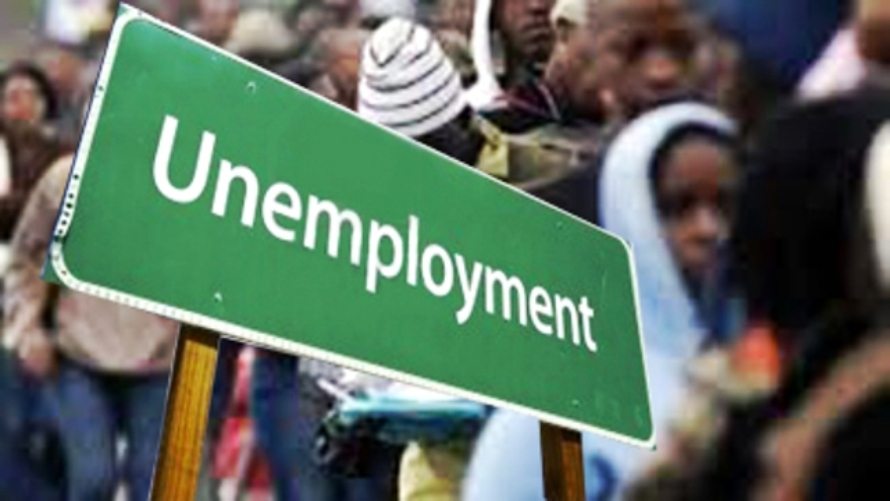
South Africa’s unemployment rate rose to 32.7 per cent in the first quarter of 2026 following fresh job losses across key sectors of the economy, deepening concerns over the country’s labour market crisis and weak economic growth.
Latest labour market data showed that thousands of jobs were lost during the quarter, reflecting persistent structural challenges, slowing business activity and weak investor confidence in Africa’s most industrialised economy.
Analysts said the increase in unemployment underscores the mounting pressure on households already grappling with rising living costs, energy supply constraints and sluggish economic recovery.
The worsening employment situation has also heightened concerns about poverty, inequality and social instability in the country, which already ranks among nations with the highest unemployment rates globally.
Economic experts attributed the job losses to declining productivity in critical sectors, including manufacturing, mining and construction, alongside subdued private sector investment.
Youth unemployment remained particularly severe, with millions of young South Africans struggling to secure formal employment opportunities amid limited economic expansion.
The development comes as the South African government continues efforts to stimulate growth through infrastructure spending, power sector reforms and investment incentives aimed at reviving industrial output and boosting job creation.
However, analysts warned that sustained unemployment could continue to weigh on consumer spending, economic productivity and long-term growth prospects if urgent reforms are not implemented.
They also stressed the need for stronger support for small businesses, improved power supply and labour market reforms to address the country’s deepening employment crisis.
South Africa’s economy has faced prolonged challenges in recent years, including power shortages, inflationary pressures, weak business confidence and global economic uncertainties affecting trade and investment flows.