By David Akinmola
Less than two years to the 2027 general elections, nearly 80 per cent of Nigerians believe the country is moving in the wrong direction, reflecting growing public dissatisfaction over economic conditions, insecurity and the cost of living, according to the findings of a new nationwide opinion poll.
The survey, released on Monday, showed that a significant majority of respondents expressed pessimism about the country’s trajectory despite ongoing reforms by the Federal Government aimed at stabilising the economy and restoring growth.
According to the poll, about eight out of every 10 Nigerians said the nation was headed in the wrong direction, while only a small proportion believed the country was moving in the right direction.
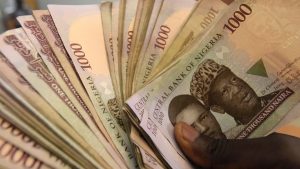
The findings come amid persistent concerns over inflation, unemployment, rising energy costs and declining purchasing power, issues that have increasingly dominated public discourse ahead of the next electoral cycle.
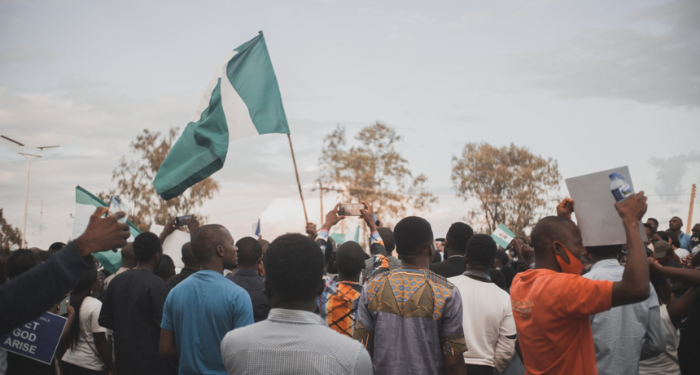
Analysts said the results highlight the growing importance of economic performance and governance issues in shaping voter sentiment ahead of the 2027 elections.
The survey also underscored mounting pressure on political leaders to address citizens’ concerns over living standards, job creation and security, which many respondents identified as the most pressing challenges facing the country.
Political observers noted that public perception of the economy is likely to play a decisive role in determining electoral outcomes, particularly as households continue to grapple with the impact of subsidy removal, exchange rate reforms and elevated food prices.
The poll showed that concerns over the rising cost of living remain widespread across different demographic groups and regions, with many respondents expressing doubts about the pace of economic recovery.
The findings may also influence political calculations among parties and potential candidates already positioning themselves ahead of the 2027 contest, as voter expectations increasingly centre on economic relief and improved governance.
Stakeholders said the survey serves as an indication of the challenges facing policymakers as they seek to balance long-term reforms with immediate measures aimed at easing the burden on households and businesses.
While government officials have repeatedly argued that ongoing reforms are beginning to yield positive results, including improved fiscal revenues, stronger foreign reserves and increased investor confidence, many Nigerians are yet to feel the benefits in their daily lives.
With preparations for the 2027 elections gradually gathering momentum, analysts expect political parties to focus heavily on issues such as inflation, employment, security and economic inclusion as they seek to win voter support.
The poll underscores the extent to which public perceptions of economic wellbeing and governance could shape the political landscape in the run-up to the next general election.