Iran has denied reports that it shut down the Strait of Hormuz shipping route as tensions escalate in the ongoing war involving the United States, Israel, and Iran.
The clarification was issued in a statement published yesterday via the official X account of the Permanent Mission of the Islamic Republic of Iran to the United Nations in New York.
The statement followed widespread speculation that Tehran had closed the critical maritime corridor used for a significant portion of global oil shipments as the regional conflict intensified.
Iran said maritime navigation through the Strait of Hormuz continues in accordance with international law and dismissed reports claiming it had blocked the waterway.
The country’s mission to the United Nations said the allegations misrepresented Iran’s position on freedom of navigation.
“The claim that Iran closed the Strait of Hormuz is baseless and absurd. Iran remains committed to international law and freedom of navigation,” the mission said.
According to the statement, threats to maritime security in the region are linked to actions taken by the United States during the ongoing conflict.
Shipping through the Strait of Hormuz slowed significantly after the outbreak of hostilities involving Israel, the United States, and Iran. The waterway carries roughly one-fifth of global oil shipments and large volumes of liquefied natural gas.
At least 150 vessels, including oil and LNG tankers, were anchored in the Strait and nearby waters shortly after the conflict began.
Tankers clustered off the coasts of Iraq, Saudi Arabia, and Qatar following reports that Iran had restricted navigation through the route.
Marine insurers withdrew war risk coverage for vessels operating in Iranian waters, the Gulf, and surrounding waterways amid the escalating conflict.Major insurers including Gard, Skuld, NorthStandard, London P&I Club, and American Club issued notices cancelling war risk cover for ships operating in the region.
U.S. President Donald Trump had earlier signalled that the U.S. Navy could escort vessels through the Strait of Hormuz to ensure global energy supplies are not disrupted.
Tensions further escalated after an Iranian naval vessel was reportedly destroyed in an incident involving U.S. forces in the Indian Ocean. The development has intensified concerns about maritime security across the wider region.
The incident occurred about 25 miles south of the island nation, according to reports citing U.S. officials.
Thirty-two individuals were rescued by Sri Lanka’s navy after the explosion. However, about 148 sailors were still missing at the time of the report.
Iran said the vessel was returning from a visit to India when it was struck in international waters, describing the incident as a reckless act that violated international law and freedom of navigation.
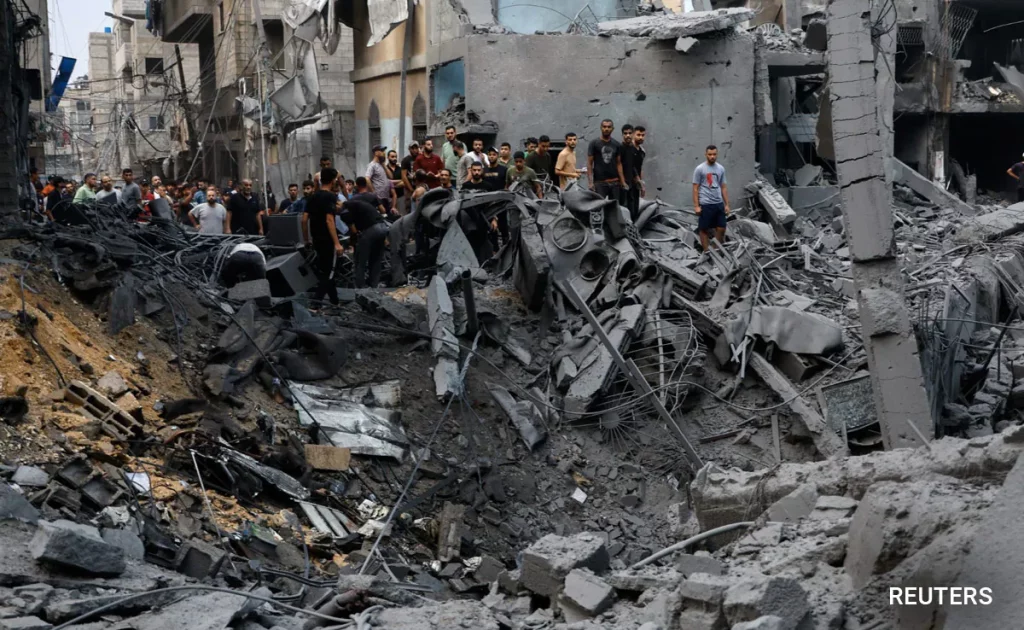
The escalating conflict between the United States, Israel, and Iran is already affecting global energy markets and oil supply infrastructure across the Middle East.
Saudi Aramco suspended operations at its 550,000 barrels-per-day Ras Tanura refinery in Saudi Arabia’s Eastern Province after a drone attack linked to Iran’s retaliatory actions.
QatarEnergy halted downstream production following attacks on its LNG facilities in Ras Laffan Industrial City and Mesaieed Industrial City.
In Nigeria, the Nigerian National Petroleum Company Limited increased the pump price of Premium Motor Spirit at its retail outlets in Abuja to N960 per litre from N875.
Dangote Petroleum Refinery also raised its ex-depot price by N100 to N874 per litre from N774.