
FG approves rollout of electric vehicles amid fuel, power challenges
By David Akinmola
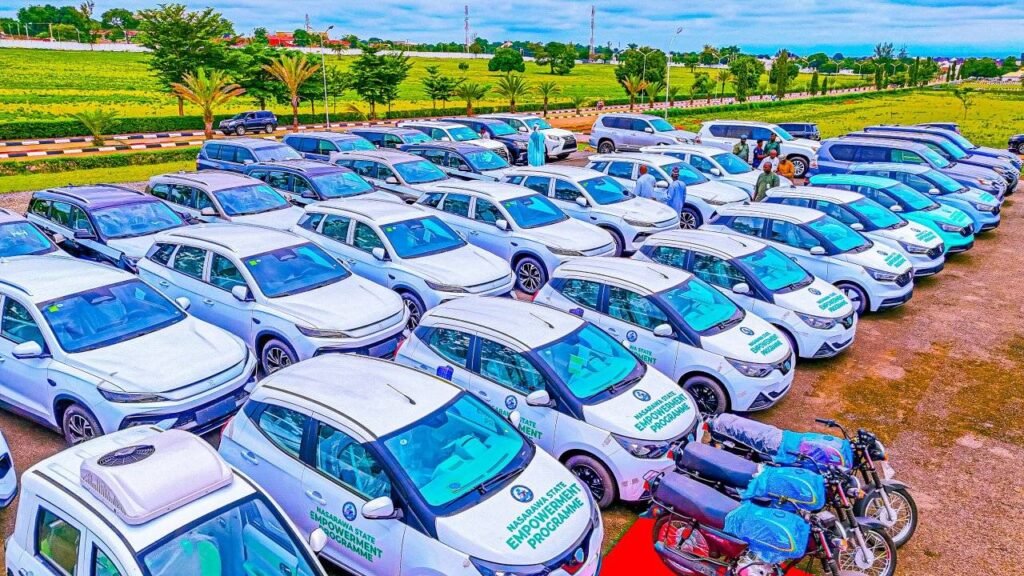
The Federal Government has approved the phased rollout of electric vehicles (EVs) across the country as part of efforts to reduce dependence on fossil fuels and address persistent energy challenges, including rising fuel costs and unreliable electricity supply.
The initiative, backed by the administration of President Bola Ahmed Tinubu, is expected to accelerate Nigeria’s transition to cleaner energy, while positioning the country within the global shift toward sustainable transportation.
Officials say the policy framework will support the deployment of electric vehicles for both public and private use, alongside investments in charging infrastructure and incentives to encourage adoption among consumers and fleet operators.
The move comes at a time when Nigerians are grappling with the twin pressures of high petrol prices and erratic power supply, which have significantly increased transportation and energy costs for households and businesses.
Industry stakeholders note that while the transition to electric mobility presents long-term benefits—including reduced emissions and lower operating costs—its success will depend heavily on the availability of reliable electricity and supporting infrastructure.
Analysts say the initiative could help ease pressure on fuel demand and reduce the country’s import bill over time, particularly if supported by local assembly and manufacturing of EV components.
A transport policy expert, Johnson Chukwu, said the government’s decision is a step in the right direction but warned that implementation challenges must be addressed.
“Electric vehicles offer a viable alternative, especially in the context of rising fuel costs. However, without stable electricity and a clear infrastructure roadmap, adoption may be slow,” he said.
Stakeholders also emphasised the need for fiscal incentives, including tax breaks and financing options, to make EVs more affordable for Nigerians, given the relatively high upfront cost compared to conventional vehicles.
In addition, experts highlighted the importance of strengthening the power sector to ensure that increased electricity demand from EV charging does not further strain the already fragile grid.
The government is reportedly exploring partnerships with private investors and development partners to fund infrastructure development, including charging stations and renewable energy integration.
While the policy signals a forward-looking approach to energy and transportation, observers say its success will ultimately depend on coordinated execution across sectors, particularly power, finance, and manufacturing.
For now, the rollout of electric vehicles represents a strategic attempt by the Federal Government of Nigeria to navigate current energy constraints while laying the groundwork for a more sustainable and resilient transport system.