By David Akinmola
Food prices across major markets in Lagos rose sharply in March 2026, as a spike in petrol costs triggered higher transportation and distribution expenses, further worsening the burden on households already grappling with elevated inflation.
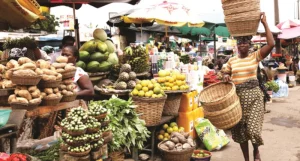
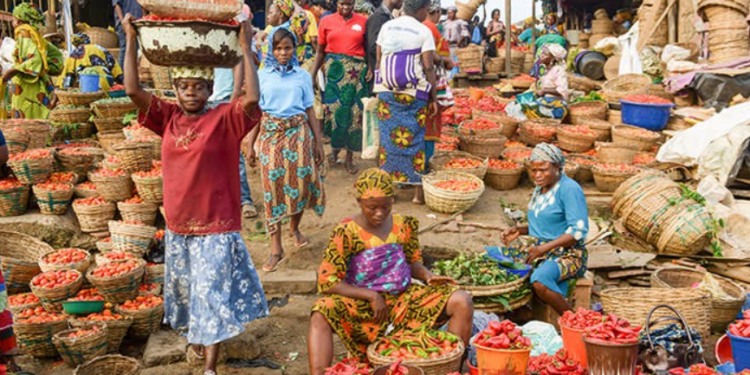
Market surveys conducted across key trading hubs showed noticeable increases in the prices of staple food items, including rice, beans, garri, tomatoes, and pepper, with traders attributing the surge primarily to rising logistics costs linked to higher fuel prices.
Traders at Mile 12, Oyingbo, and Daleko markets said the cost of moving goods from farms and warehouses into the city has risen significantly in recent weeks, forcing many to adjust prices to remain in business.
“Transporters have increased their charges because of petrol. What we used to pay before has almost doubled, and we have no option but to reflect it in our prices,” a foodstuff dealer said.
The latest price movement highlights the strong link between energy costs and food inflation in Nigeria, where a large portion of agricultural produce is transported over long distances by road.
Analysts note that petrol price increases often have an immediate ripple effect across the food supply chain, affecting everything from farmgate prices to final retail costs.
An economist, Ayo Teriba, said the development underscores the structural vulnerabilities in Nigeria’s distribution network.
“When fuel prices rise, the impact is quickly transmitted to food prices because of our heavy reliance on road transport. This is a structural issue that requires long-term solutions,” he said.
Consumers across the state expressed concern over the rising cost of basic food items, noting that household budgets are coming under increasing strain.
A resident in Surulere said feeding has become significantly more expensive in recent weeks.
“Every time you go to the market, prices have changed. It is becoming difficult to keep up, especially for families with limited income,” she said.
The pressure on food prices comes amid broader inflationary trends, with stakeholders warning that persistent increases could worsen food insecurity and reduce purchasing power.
Agriculture sector operators also pointed to other contributing factors, including post-harvest losses, insecurity in farming communities, and fluctuating exchange rates affecting input costs.
However, they maintained that the immediate trigger for the latest surge remains the increase in petrol prices, which has raised the cost of moving goods across the supply chain.
Stakeholders are calling for urgent policy measures to address the situation, including investment in alternative transport systems such as rail, improved storage infrastructure, and targeted interventions to stabilise fuel prices.
They also emphasised the need to strengthen local production and reduce inefficiencies in the food distribution system to cushion the impact of external shocks.
As the trend persists, analysts warn that unless underlying structural issues are addressed, food prices may continue to rise, deepening economic pressure on households and complicating efforts to manage inflation in Africa’s largest economy.