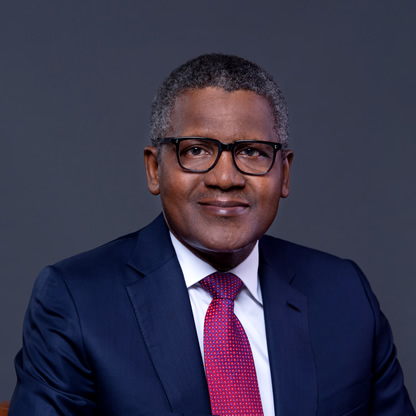
President of the Dangote Group, Aliko Dangote, has explained why the company rejected an attempt by the Nigerian National Petroleum Company Limited to acquire a larger equity stake in the Dangote Petroleum Refinery.
Dangote said the decision was aimed at preserving the operational independence and strategic direction of the refinery, which remains one of the largest single-train refineries in the world.
Speaking on the development, he noted that while NNPC remains a strategic partner in the project, allowing the state-owned oil company to increase its ownership stake beyond the agreed level was not considered necessary for the long-term objectives of the refinery.
The billionaire businessman stated that maintaining private sector control was critical to ensuring efficiency, flexibility and the ability to respond quickly to market realities in the downstream petroleum sector.
According to him, the refinery was established primarily as a private sector-driven initiative designed to transform Nigeria’s refining capacity, reduce dependence on fuel imports and strengthen energy security.
NNPC currently holds a minority stake in the refinery after acquiring shares during the project’s development phase.
Industry analysts said the move reflects Dangote’s determination to retain significant control over the multi-billion-dollar facility, which has become central to Nigeria’s energy and industrial ambitions.
The refinery, located in Lagos, has already commenced supply of refined petroleum products into the domestic market and is expected to significantly reduce Nigeria’s fuel import bill once full operations stabilise.
Energy experts noted that despite rejecting the request for additional equity participation, the partnership between the refinery and NNPC remains strategically important, particularly in crude supply arrangements and domestic fuel distribution.
The development comes amid ongoing reforms in Nigeria’s oil and gas sector, with policymakers seeking greater private sector participation to boost refining capacity and stabilise petroleum product supply across the country.