By Emmanuel Enitan
The Federal Government has ruled out a return to petrol subsidy and multiple foreign exchange rates, insisting that its economic reform programme will remain in place as it seeks to convert recent gains in economic stabilisation into investment, growth and job creation. <Cite refs={[“turn264944view0″,”turn264944view1”]}/>
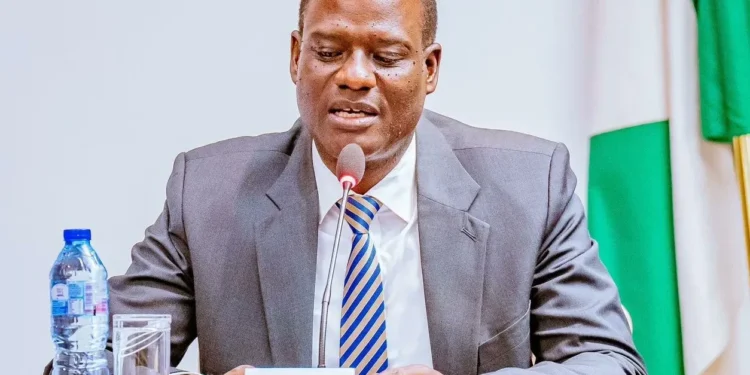
The Minister of Finance and Coordinating Minister of the Economy, Taiwo Oyedele, stated this at a briefing following Nigeria’s participation in the International Monetary Fund (IMF) and World Bank Group annual meetings in Bangkok, Thailand, amid continuing concerns over the cost of living and the sustainability of the reforms.
Oyedele said the government had no plan to reverse the removal of fuel subsidy or return to the previous foreign exchange arrangements, adding that questions about a possible policy reversal had featured prominently in engagements with investors, credit rating agencies and multilateral institutions. <Cite refs={[“turn264944view0”]}/>
He also clarified that the 30-day retail margin discount on petrol recently introduced by the Nigerian National Petroleum Company Limited (NNPC) was a temporary commercial measure to reduce margins and provide some relief to consumers, rather than a subsidy financed with public funds. <Cite refs={[“turn264944view1”]}/>
“Let me be clear: there will be no return to fuel subsidies or multiple exchange rates,” the minister said.
Providing an update on the economy, Oyedele said Nigeria recorded 4.4 per cent growth in gross domestic product in the second quarter of 2026, while foreign reserves had risen above $35 billion. He also said inflation had declined for four consecutive months, although the cost-of-living crisis continues to weigh on households. <Cite refs={[“turn264944view1”]}/>
The minister said the government’s priority was to translate these indicators into increased investment, faster economic growth and employment opportunities. He added that private capital inflows had risen from about $300 million in 2023 to nearly $6 billion in 2026.
The government’s position comes as the removal of fuel subsidy and foreign exchange market reforms continue to shape prices, business costs and household spending. While the administration has defended the measures as necessary to address structural weaknesses and improve public finances, the impact on consumers and businesses remains a major test of their effectiveness. <Cite refs={[“turn264944view0″,”turn264944view2”]}/>
For businesses, the policy direction provides a clearer indication that operators should plan around market-based fuel pricing and a unified foreign exchange framework rather than anticipate a return to previous arrangements. However, the durability of the reforms will also depend on improved purchasing power, lower operating pressures and stronger investment translating into productive activity and jobs.
Oyedele also disclosed that the government had identified 65 investment projects valued at $78.5 billion under the Project Nigeria initiative, covering sectors including energy, transport, industry, mining, agriculture, healthcare and services. He said the projects were structured to accommodate private-sector participation, while cautioning that expressions of interest and development-partner commitments should not be mistaken for confirmed funding or disbursements. <Cite refs={[“turn264944view1”]}/>
The challenge for the government, therefore, is to ensure that continued commitment to the reforms produces measurable benefits for households and businesses, particularly through investment, employment and improved economic opportunities.