
By Favour Pius
Food prices across Nigeria have continued their upward trajectory despite rising import bills and multiple government interventions aimed at stabilising the market.
Latest data indicate that the country spent about N7.65 trillion on food imports within the review period, underscoring growing dependence on foreign supplies to bridge domestic production gaps. However, the surge in imports has failed to translate into relief for consumers, as inflationary pressures persist nationwide.
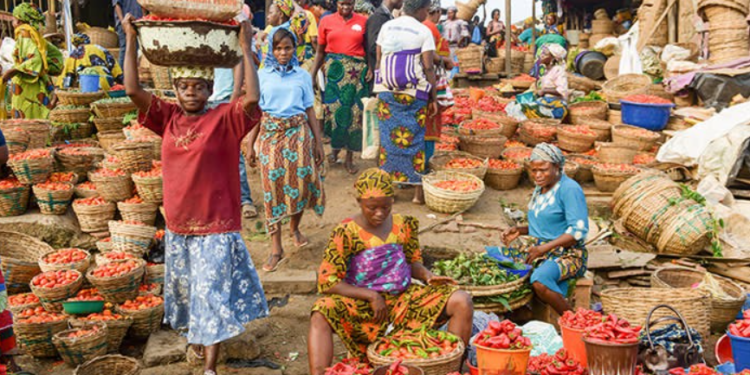
Checks across major markets in cities including Lagos, Abuja and Kano show significant increases in the prices of staple foods such as rice, maize, beans and vegetables, further eroding household purchasing power.
The Federal Government, through various initiatives, has attempted to cushion the impact of rising food costs. These include import duty waivers on selected food items, distribution of grains from strategic reserves and support for local farmers. However, stakeholders argue that these measures have yet to yield meaningful results due to structural challenges in the agricultural sector.
Experts attribute the persistent rise in food prices to a combination of factors, including insecurity in farming regions, high transportation costs, foreign exchange volatility and climate-related disruptions affecting crop yields.
An economist with a Lagos-based research firm noted that while increased imports may temporarily boost supply, they also exert pressure on foreign reserves and expose the economy to external shocks.
“There is a limit to how much imports can solve the problem. Without addressing productivity constraints and supply chain inefficiencies, prices will remain elevated,” the analyst said.
Farmers’ groups have also raised concerns over inadequate access to financing, rising input costs and poor rural infrastructure, which continue to hamper local food production.
Meanwhile, consumer advocacy organisations have called on the government to intensify efforts to support domestic agriculture, improve security in rural communities and stabilise the foreign exchange market.
With food inflation remaining a major driver of overall inflation, analysts warn that sustained price increases could worsen poverty levels and heighten food insecurity, particularly among low-income households.
As pressure mounts, attention is increasingly shifting to long-term solutions that prioritise local production, value chain development and policy consistency to achieve food price stability.