
By Favour Pius
Nigeria’s inflation rate rose to 15.38 per cent in March 2026, underscoring persistent price pressures across the economy despite ongoing policy efforts to stabilise the macroeconomic environment.
Latest data released by the National Bureau of Statistics (NBS) showed an uptick from the previous month, driven largely by increases in food prices, transportation costs and core consumer goods.
The development highlights the continued strain on household incomes, with many Nigerians facing rising living expenses amid fragile purchasing power and uneven wage growth.
Analysts attribute the increase to a combination of factors, including supply chain disruptions, exchange rate volatility and high energy costs, which have continued to push up production and distribution expenses.
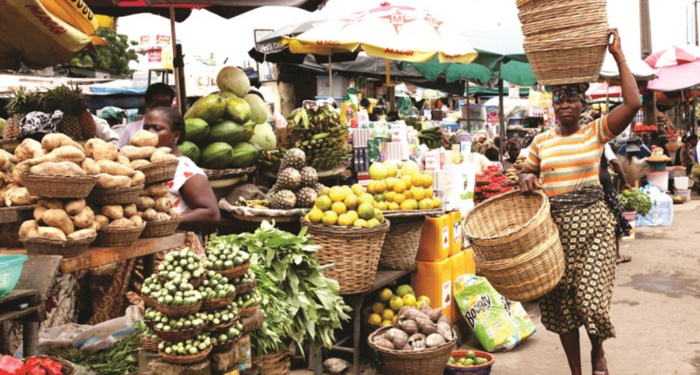
Food inflation remained a major driver, reflecting higher prices of staple commodities, while transportation costs also rose on the back of elevated fuel prices and logistics challenges.
A financial analyst, Bismarck Rewane, said the uptick suggests that inflationary pressures are proving more persistent than anticipated.
“The current trend indicates that underlying cost pressures in the economy are yet to ease. Exchange rate dynamics and structural bottlenecks continue to feed into prices,” he said.
The rise in inflation comes as the Central Bank of Nigeria (CBN) maintains a tight monetary stance, with elevated interest rates aimed at curbing inflation and stabilising the naira.
However, economists note that monetary policy alone may not be sufficient to address inflation driven largely by structural and supply-side constraints.
They argue that targeted fiscal interventions, improved infrastructure and enhanced agricultural productivity will be critical to moderating price increases in the medium term.
Rising inflation also poses challenges for businesses, increasing operating costs and compressing profit margins, while dampening consumer demand.
For households, the impact is more immediate, as higher prices erode purchasing power and reduce real incomes, particularly among low- and middle-income earners.
Despite the pressures, analysts say there are cautious expectations that inflation could moderate later in the year if exchange rate stability improves and supply conditions strengthen.
In the near term, however, price pressures are expected to remain elevated, keeping policymakers under pressure to balance growth objectives with inflation control.